Private Credit

Diversify your portfolio by investing in private funds that earn income outside the stock market.

Get started
  • Low fees

    Only pay the fund's fee, with every cost visible

  • One platform

    Manage private and public holdings on one platform

  • $5K minimums

    Start investment well below traditional minimums

Steady income that doesn’t depend on the stock market

01

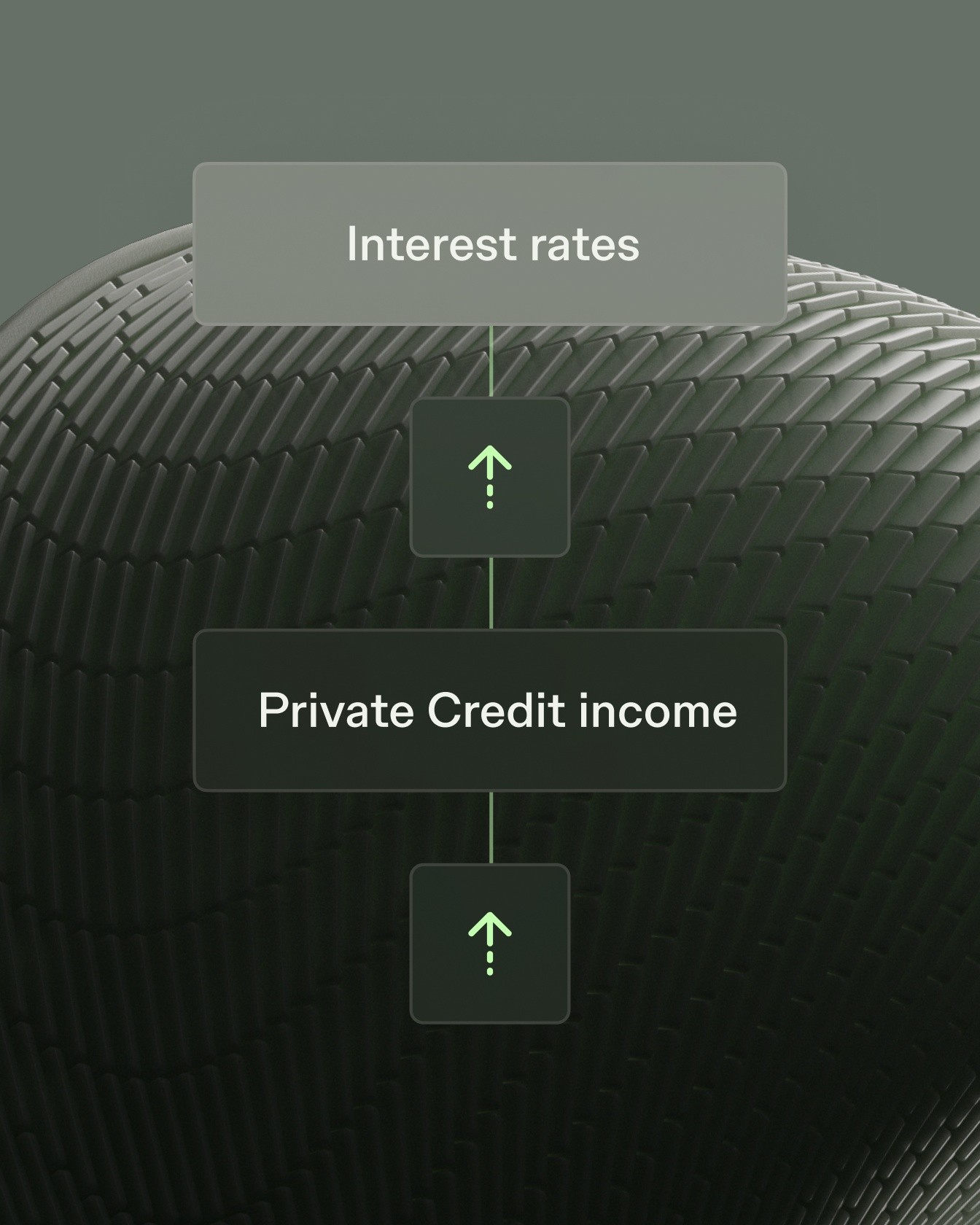
Move with rates, not stock swings

When interest rates go up, your private credit income goes up too—independent of stock market performance.
02

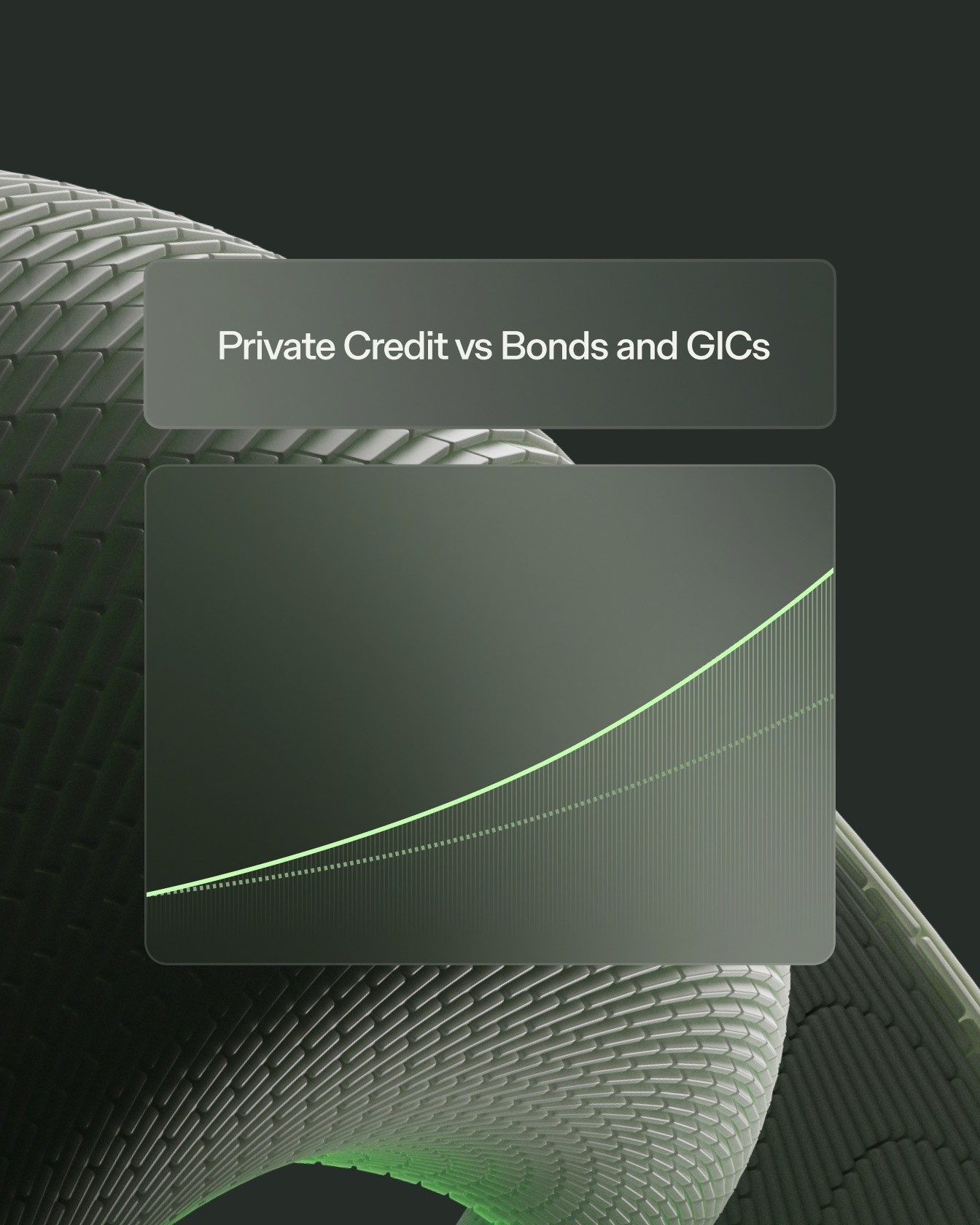
Outpace bonds and GICs

Get paid through steady distributions at rates typically higher than bonds and GICs.
03

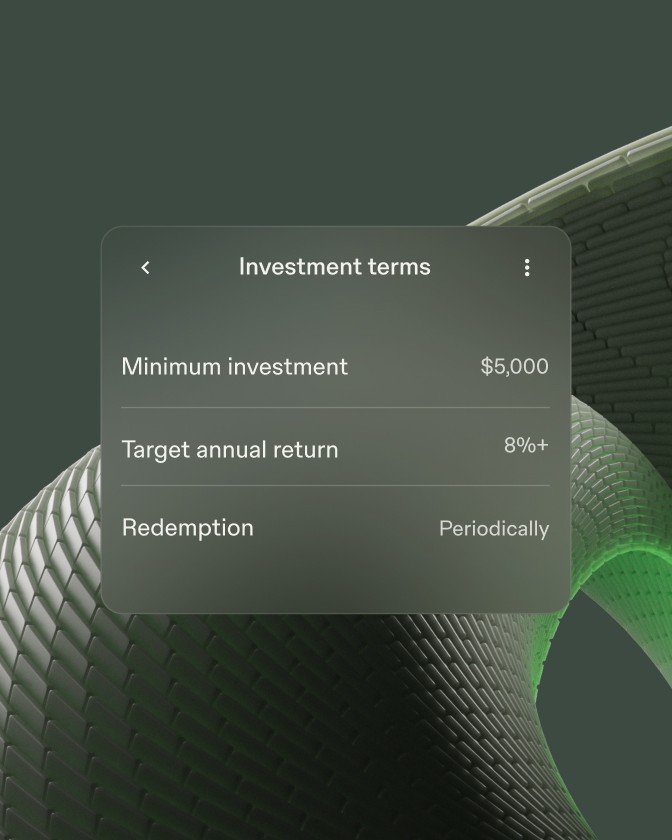
See every detail up front

Review the information you need around minimums, terms, fees, strategy, and more before you invest.
04

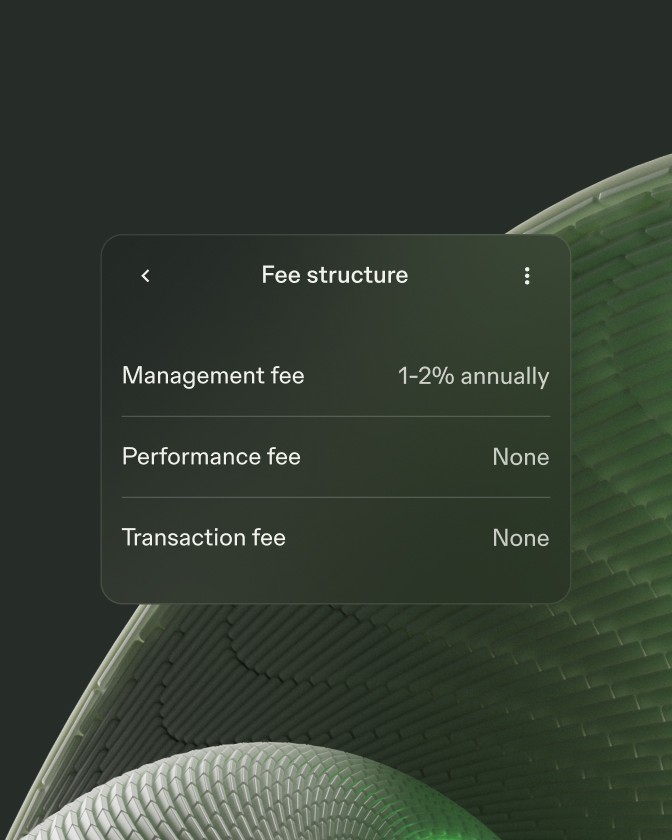
Invest with transparent pricing

Know your costs up front and pay only the underlying fund fee—no advisors, no bundling, and no hidden fees.
How Private Credit stacks up

Get access to Private Credit opportunities with Questrade. Lower minimums, lower fees, and fully digital.

Access

How you invest

Questrade
Self-directed, choose each fund
Simple brokerages
Self-directed, platform-allocated
Legacy banks
Via investment advisors

Minimums

How much you need to invest

Questrade
From $5,000+
Simple brokerages
From $10,000+
Legacy banks
From $100,000+

Fees

What it costs to invest

Questrade
Only the fund's fees
Simple brokerages
Often fund's fees + advisory fees or asset minimums
Legacy banks
Often fund's fees + advisory fees + account fees

Ease

How it works

Questrade
Fully digital
Simple brokerages
Digital, managed allocation
Legacy banks
Advisor assisted

Opportunities most investors never get

Access Private Credit as a verified eligible or accredited investor at Questrade. Minimum investment and eligibility vary by fund.

Private Credit without the gatekeeping

Get started

Frequently asked questions

No, Private Credit is web only.

Private Credit refers to loans provided to borrowers by non-bank lenders. It can take many forms — senior secured loans, mezzanine financing, bridge loans, and mortgage lending — across sectors like real estate, corporate lending, and infrastructure.

Both involve lending in exchange for interest income, but Private Credit is typically illiquid (you may need to hold for a defined period), offers a yield premium over comparable public fixed income reflecting additional risk, and is not priced daily on an exchange.

Returns come from interest income on the underlying loans. Most Private Credit funds distribute this income on a regular basis — often monthly or quarterly — which can add a regular income stream to your portfolio.

Private Credit funds generally target net annual returns in the mid-to-high single digits, though some higher-risk strategies may target more. Target returns vary by fund. Past performance is not indicative of future results, and target returns aren't guaranteed.

You must be a Canadian resident outside of Quebec who is not a U.S. person. Depending on the fund, you'll need to qualify as an eligible or accredited investor based on income or net asset thresholds. Verification takes up to 5 business days and is valid for 12 months. Investments start from $5,000.³ [Learn how to get verified]

Fees vary by fund and are disclosed on the fund page before you invest. You only pay the fund fees, no Questrade advisor fees on top.

Some Private Credit funds offer periodic redemption windows (e.g., quarterly) where you can request to sell your units back to the fund. Others have fixed terms with no early redemption. Where redemptions are available, they may be subject to lock-up periods, notice requirements, or early redemption penalties. Terms are on each fund page.

No. Private Credit is not insured by CDIC or any government deposit insurance program, and returns are not guaranteed. Your capital is at risk — borrowers may default, and you could receive less than you invested. The yield premium over GICs reflects this additional risk.

Some Private Credit funds may be eligible for registered accounts (RRSP, TFSA), while others are only available through non-registered accounts. Eligibility depends on the fund's structure and is on each fund page.

Borrowers may fail to make scheduled payments, and there's typically no secondary market to exit a defaulted position. Changes in interest rates may affect the value of your investment. Some funds hold concentrated loan portfolios where a small number of defaults could significantly impact returns.

Learn more about Private Credit